A commitment alongside the Mémorial de la Shoah
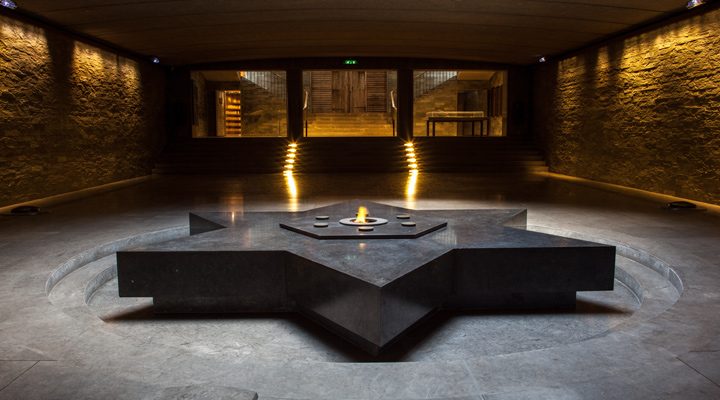
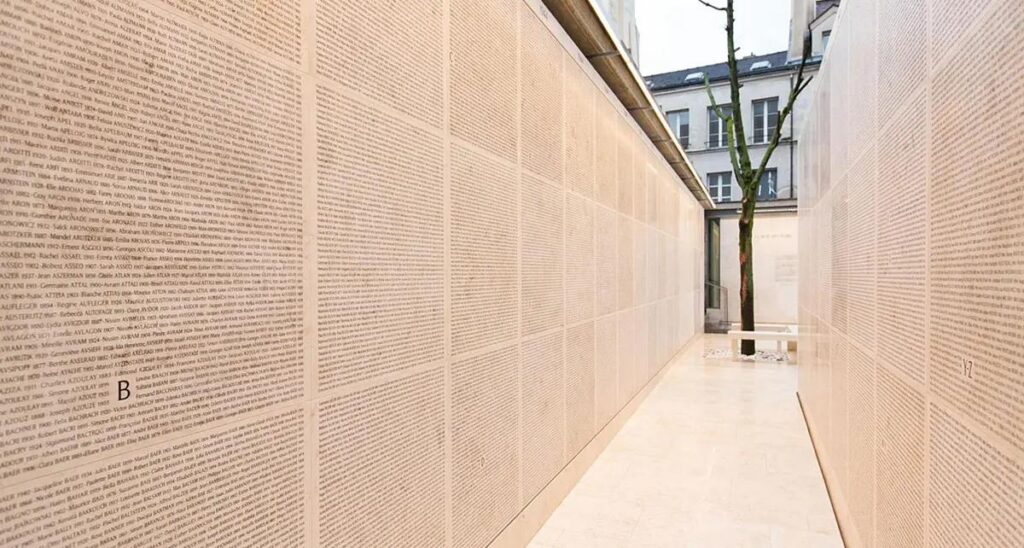
In 2002, by a decision of its Board of Directors, SNCF provided support for the renovation of the Mémorial de la Shoah building in Paris. The renovated building notably houses the Wall of Names, on which are engraved the surnames, first names and dates of birth of the Jews deported from France.
In 2010, SNCF and the Mémorial de la Shoah strengthened their collaboration by signing a four-year partnership agreement. SNCF then became the Mémorial’s principal corporate partner. The partnership notably aims to support the development of educational activities for schools and training initiatives for teachers. It also provides for the Mémorial to bring its expertise and support to the historical research conducted by SNCF into its history during the Second World War.
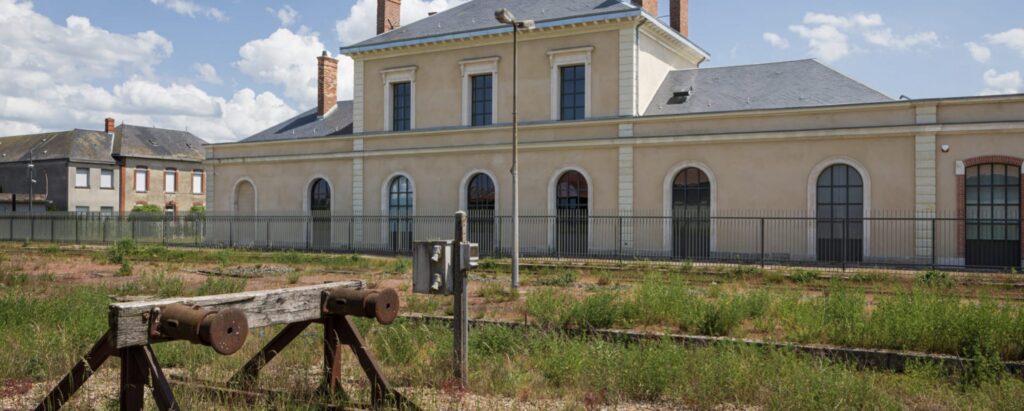
This cooperation has endured over time. SNCF remains among the supporters of the Mémorial de la Shoah, particularly for its educational activities. It also supports memorial and educational projects developed in France, such as the site of memory created in the former Pithiviers passenger station, produced in partnership with the Mémorial and open to the public since 2022.

Mémorial de la Shoah / SNCF partnership
SNCF and the Mémorial de la Shoah created a site of memory within the former Pithiviers passenger station
Passing on the history of the Holocaust
The Mémorial de la Shoah’s mission is to pass on and teach the history of the Holocaust and genocides, to foster understanding of the mechanisms that led to these crimes, and to contribute to the fight against racism, antisemitism and all forms of hatred and intolerance.
In both Paris and Drancy, its educational programme is aimed at primary and secondary school pupils, as well as teachers. It combines visits, workshops, talks, screenings, testimonies and work with archival documents. The activities are adapted to different school levels and can be tailored to teachers’ educational projects.
Pupils can notably discover the Mémorial’s sites of memory, analyse photographs and archival documents, work from written, audio or filmed testimonies, or meet witnesses and historians. Thematic trails also allow the history of the Holocaust to be approached through literature, film, art or the history of Jewish families during the war.
The Mémorial also offers programmes bringing together several cultural institutions and sites of memory, notably the Archives nationales, as well as study trips to Auschwitz-Birkenau. These initiatives allow pupils to place their study of the Holocaust within a broader historical and memorial framework.
Training and supporting teachers
Because teachers play an essential role in passing on history and in educating against prejudice, the Mémorial has also developed a substantial range of training. Courses, seminars and study days are organised in Paris, in Drancy and within regional education authorities, to support teachers in teaching the history of the Holocaust and genocides.
The Mémorial also makes educational resources available to them, including archival documents, testimonies and thematic brochures to help prepare classroom activities.
Through this partnership, SNCF thus helps sustain an approach grounded in knowledge, historical research and transmission, particularly for younger generations.
The Mémorial de la Shoah