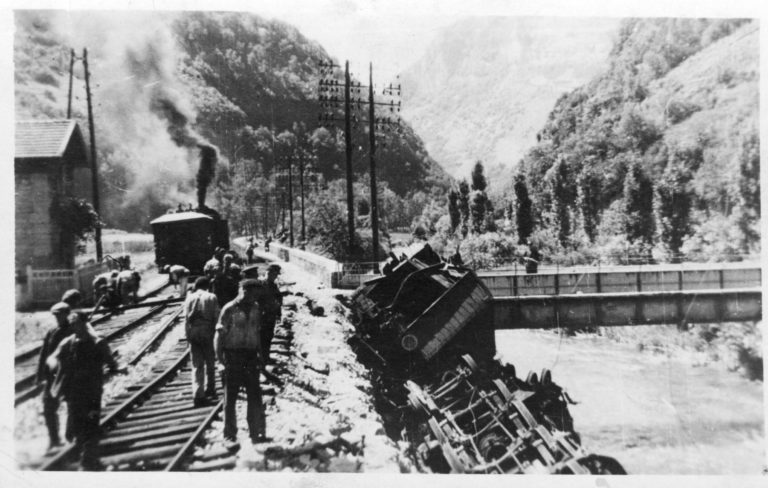
Railway workers’ Resistance took many forms. While a minority joined networks or took part directly in clandestine actions, others resisted more discreetly, through individual gestures, acts of solidarity or by disrupting the operation of the railway system. Gathering intelligence, circulating information and people, sabotage, slowing down work, going on strike or providing assistance: these were all forms of action reflecting the diversity of commitment within the railway world.
Railway workers’ forms of action
Active involvement by the French in Resistance networks and movements was, as elsewhere, the work of a minority. More widespread were the less visible, less organised forms of resistance – working slowly, isolated acts, gestures of solidarity towards outlaws and those in hiding. As time went on, far greater numbers supported active resisters simply by letting them act.
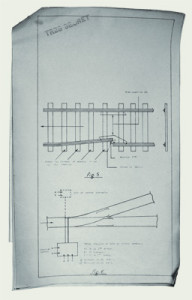
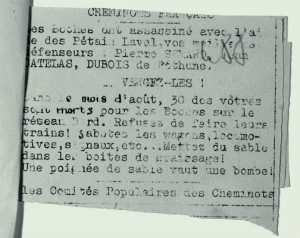
A strong sense of rejection of the occupying forces also developed within the railway community. Indeed, because of their roles, railway workers held an important place within the Resistance: the rail network and their travel passes allowed them to move much more easily and much more often than other French people. At first, they helped escaped prisoners of war cross the demarcation lines, then Resistance members and persecuted people. They carried mail, leaflets and the clandestine press. They gathered railway data and intelligence on the movements of enemy forces. Aware of transport plans, railway workers passed on to Resistance networks linked to Free France in London, such as NAP-Fer (“Noyautage des Administrations publiques”), maps of traffic, the routes and schedules of military convoys, precisely describing the railway infrastructure and equipment that could be bombed and destroyed. Some railway workers, drawing on their technical expertise, advised the armed Resistance on the most effective methods and sometimes took part directly in acts of sabotage.
It was this technical information that intelligence networks sought within the railway world, and which allowed the BCRA, the intelligence service of Free France, to devise the “Plan vert” aimed at neutralising the rail network on D-Day. This plan would considerably hamper the movement of enemy reinforcements to the battlefield after the Landings.
In the face of the requisitioning of employees sent to work in Germany, strike action also became, from 1942 onwards, a form of Resistance activity, despite being strictly forbidden and repressed. Later, the strike launched on 10 August 1944 in the Paris locomotive depots would help precipitate the uprising in the capital.
Spontaneous resistance: slowing down work, supporting deportees and requisitioned workers
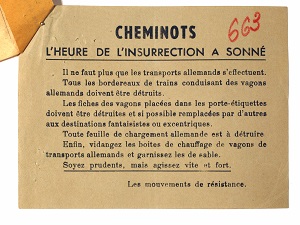
In daily life, spontaneous, individual and anonymous acts of resistance were numerous. In the workshops, depots and marshalling yards, the pace of work was slowed, and discreet, undetectable “clumsy gestures” could disrupt certain railway operations to the detriment of the occupying forces.
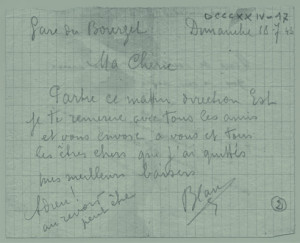
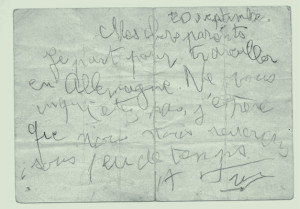
Railway workers could also help requisitioned workers being sent to work in Germany, as well as deportees, despite the strict surveillance their convoys were subjected to. They told deportees locked in the wagons to only throw their notes onto the tracks once the train had left the station, so that they could be retrieved and sent on to their families. It was then Track or Operations staff who were called upon to retrieve, not without danger, and pass on the messages deportees tried to send to their families. Lacking the means to cancel the convoys and unaware of the true destination of the deportation trains, railway workers’ actions consisted mainly of individual gestures of solidarity towards the prisoners, such as bringing them water and food during the interminable stops. Some railway workers took even greater risks by slowing convoys down in areas favourable to escape, or even became complicit in escapes at the departure station or during a stop.
Find out more about railway workers in the Resistance
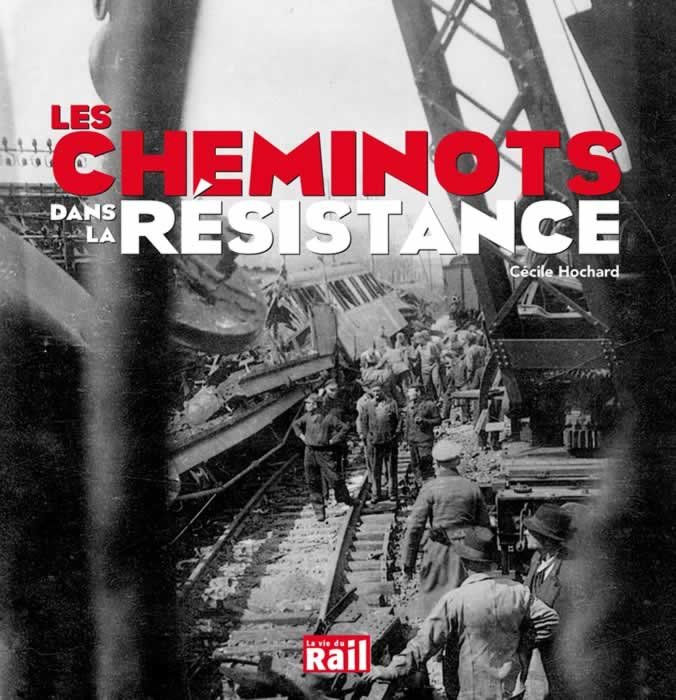
A reference book
Published following the work carried out for the exhibition Les Cheminots dans la Résistance, this book is a reference for understanding the diversity of railway workers’ commitment during the Second World War.
Through numerous archival documents – leaflets, forged papers, photographs, administrative records and railway archives – Cécile Hochard shows that railway workers’ Resistance cannot be reduced to acts of sabotage. Intelligence gathering, passing on clandestine mail and documents, smuggling people being sought, helping prisoners and deportees, slowing down work, strikes and participation in Resistance networks all reflect many different forms of engagement.
The book also seeks to place this engagement within its professional context: through their work, railway workers had knowledge of and access to the rail network that gave them particular possibilities for action, while also making SNCF strategic infrastructure for the occupying forces.
Based on numerous, sometimes previously unpublished sources, this book thus contributes to a more nuanced history of railway workers’ Resistance, attentive to the diversity of individual paths, forms of action and risks taken.