
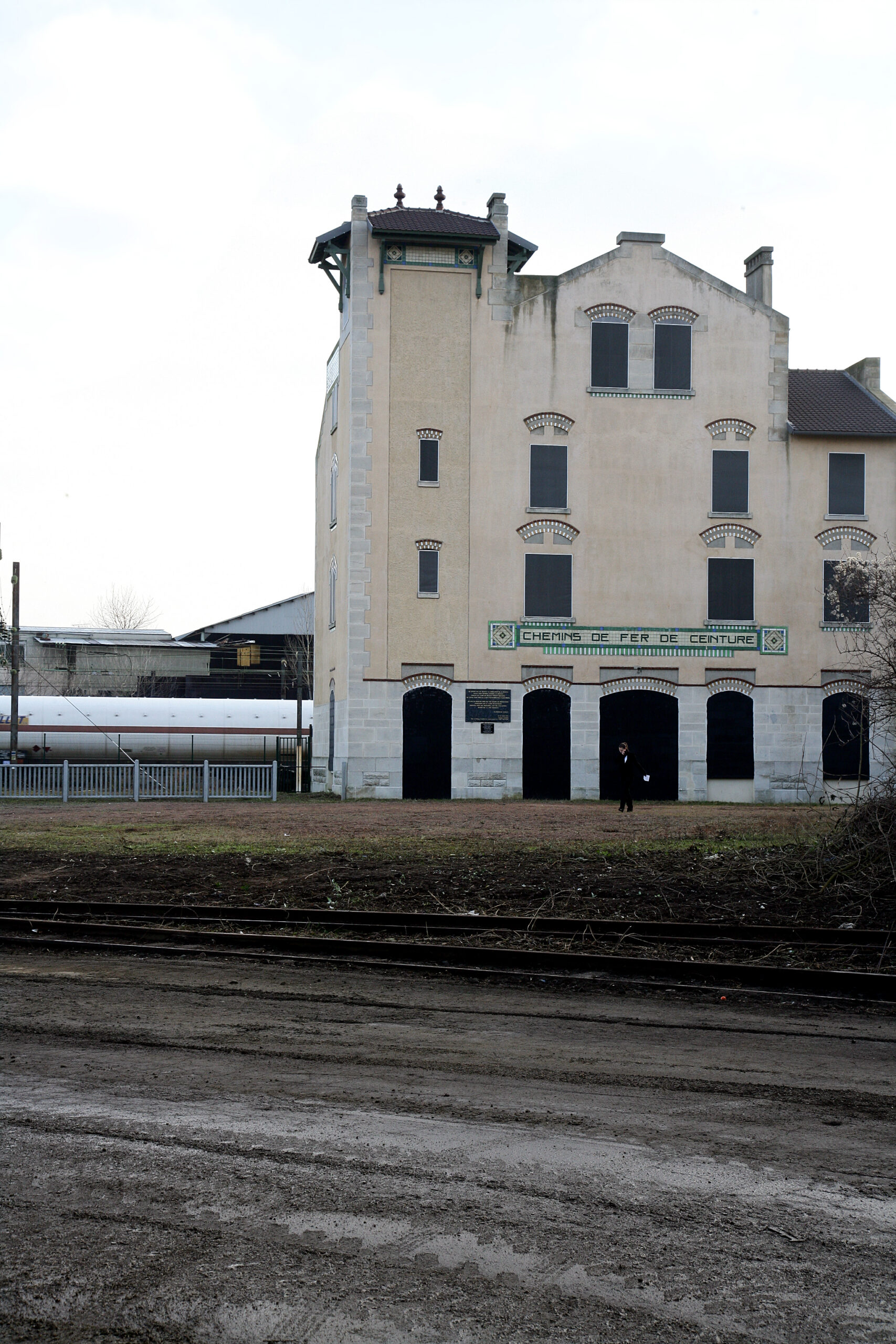
From July 1943 to August 1944, the former Bobigny goods station, in Seine-Saint-Denis, became the main departure point for the convoys deporting the Jews of France interned at the Drancy camp, located two kilometres away. It took over from Le Bourget-Drancy station, used until July 1943.
Bobigny, from deportation station to site of memory
Over a period of thirteen months, nearly 22,500 men, women and children were deported from Bobigny to Nazi camps, primarily Auschwitz-Birkenau. The former railway station is therefore a major site in the history of the deportation of Jews from France and the Holocaust.
Covering 3.5 hectares, the site has retained many of its original features. Rails, sleepers, ballast, paving stones and buildings bear witness to its railway past and now form a remarkable heritage site. Their presence helps to convey how the site was organised and the conditions in which the deportation convoys were prepared and dispatched.
From the early 2000s onwards, efforts were undertaken to preserve the site and transform the former station into a place dedicated to the history of the Holocaust, while respecting its authenticity.
In 2004, the project to preserve and enhance the site entered an active phase. In 2005, the entire site — including its buildings, railway tracks and grounds — was added to the supplementary inventory of France’s historic monuments. In December 2008, SNCF announced its decision to make the land available to the City of Bobigny, enabling it to be transformed into a memorial site.
Preserving the railway heritage
Over the years, landscaping, heritage and interpretive improvements have helped to enhance the former station while preserving the features that make the site unique.
The tracks, grounds, buildings and railway surroundings provide a direct connection to the station’s role between 1943 and 1944. Their preservation helps to convey how departures were organised and to understand how the station operated during this period.
Bobigny is distinctive because much of its railway heritage has survived, allowing visitors to approach these events through the physical setting in which they took place.
25 January 2011: a landmark commitment
On 25 January 2011, Catherine Peyge, Mayor of Bobigny, and Guillaume Pepy, Chairman of SNCF, signed a partnership agreement formalising the provision of the site and setting out the main principles for its redevelopment as a memorial site.
The ceremony was attended by Holocaust survivors and representatives of France’s Jewish community. On this occasion, Guillaume Pepy expressed, on behalf of SNCF, the company’s regret for the consequences of the actions carried out by SNCF during the Occupation and acknowledged its involvement in the deportation system.
SNCF at the time, requisitioned, took part in this machinery of inhumanity, in accordance with the programme of the Nazi occupier and its French collaborators. […] Under duress, certainly, our company carried these trains to the border. It did so. […]Guillaume Pepy, Chairman and CEO of SNCF, Bobigny, 25 January 2011.
Here, in this place which now belongs to everyone’s memory, I wish to express today the deep sorrow and regret of SNCF for the consequences of the acts committed by SNCF at the time.
In its name, I bow before the victims, the survivors and the children of deportees, and before the suffering that still lives on.
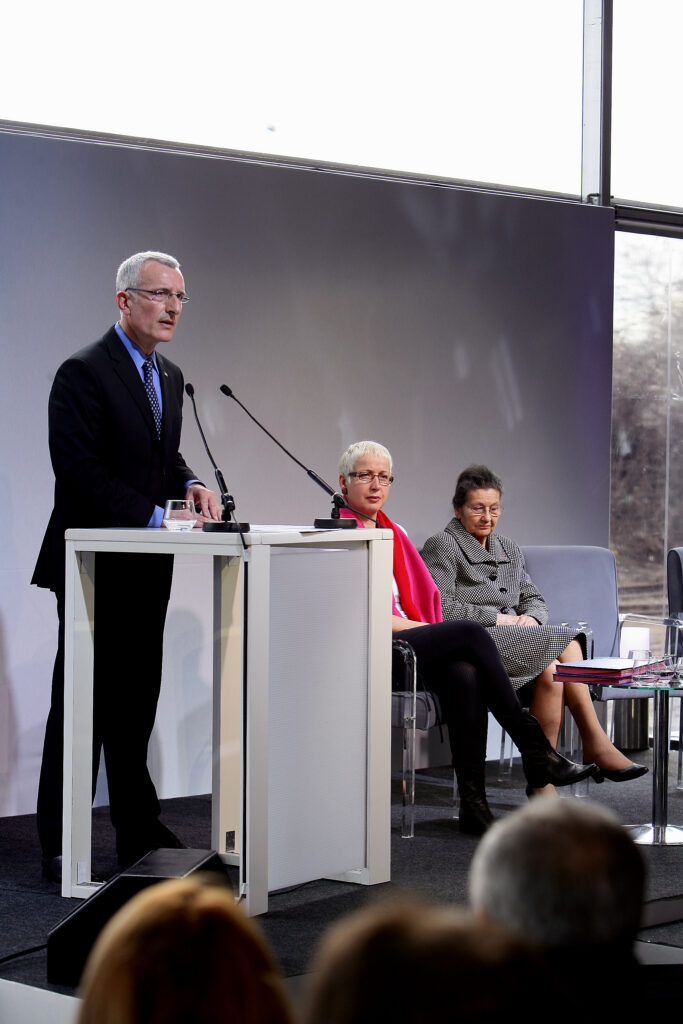

Speech by Guillaume Pepy

From history to remembrance and education
In January 2012, the former station hosted a temporary exhibition entitled Bobigny, une gare entre Drancy et Auschwitz, produced with the support of SNCF. Opened on 27 January 2012 by Catherine Peyge and Guillaume Pepy, it formed part of the International Day of Commemoration in memory of the victims of the Holocaust and the prevention of crimes against humanity.
The exhibition explored the history of the station and its role in the deportation of Jews from France. It was accompanied by a screening of the film Bobigny, une gare entre Drancy et Auschwitz, produced by the City of Bobigny in 2010 from a collection of testimonies.
These early initiatives accompanied the gradual transformation of the former station into a site open to the public, where its history could be explored through documents and testimonies, as well as through the physical setting in which these events took place.
The site is particularly significant because visitors can stand in the very place where deportation convoys were assembled and dispatched. The surviving tracks, grounds and buildings help to convey the conditions in which thousands of men, women and children were deported.
This educational dimension has become an increasingly important part of the project. The site helps to raise awareness of the persecution and deportation of Jews from France, to preserve the memory of the victims and to educate younger generations about the mechanisms that led to the genocide of Europe’s Jews.
The goods shed: a space for remembrance and education
As part of the partnership established in 2011 between SNCF and the City of Bobigny, SNCF undertook the restoration of the former goods shed, with support from the Île-de-France Regional Council.
The building itself did not play a direct role in the deportation operations. It is nevertheless located immediately alongside the tracks where the railway carriages used for the deportation convoys were stationed.
From 2012 onwards, its two façades were used as a memorial display, including a list of the deportation convoys that departed from Bobigny.
The restored goods shed was inaugurated on 27 January 2015, marking the 70th anniversary of the liberation of Auschwitz-Birkenau.
The ceremony marked a new stage in the transformation of the former station into a memorial site. Stéphane De Paoli, Mayor of Bobigny at the time, representatives of SNCF and the AFMA (Association Fonds Mémoire d’Auschwitz) highlighted the importance of ensuring that this history remains known to present and future generations.
Today, while it matters to us to remember, we also care deeply about passing this history on. Tirelessly passing on what the Holocaust was. […] My hope is that we can pass on a message of peace.Excerpt from the speech by Stéphane De Paoli, mayor of Bobigny, 27 January 2015.Enter the source
A new stage with the Mémorial de la Shoah
The partnership with the Mémorial de la Shoah marked a new stage in the development of the site. It places the former station within a wider framework dedicated to the history of the Holocaust and the deportation of Jews from France, while strengthening its historical and educational role.
The preservation of the site is accompanied by ongoing research, interpretation and educational initiatives aimed at different audiences, particularly younger generations. The history of the station can be explored through documents, testimonies and historical resources, as well as through the physical features preserved on the site.
From a deportation railway station to a place of remembrance, the former Bobigny station preserves the traces of a history whose understanding and transmission remain essential.ation thus preserves the traces of a history whose understanding and transmission remain essential.
Find out more
Ancienne gare de déportation de Bobigny
Discover the site
Visit the site
Practical information and visits
Visits for groups and school groups
On request from the City of Bobigny’s Historical and Memorial Heritage Department.